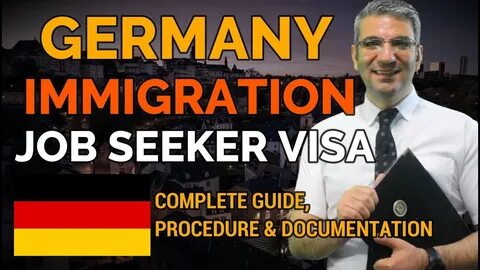
Germany is no longer just a tourist dream.
For thousands of Nigerians, it has become a land of real opportunity.
High salaries.
Strong worker protection.
Clear immigration pathways.
And one of Europe’s strongest economies.
But here is the hard truth:
Germany is not a “quick escape” destination. It rewards preparation, skill, and persistence.
If you are serious about working in Germany from Nigeria, this complete guide will walk you through:
- In-demand jobs
- Salary expectations
- Visa pathways
- Step-by-step application process
- Cost breakdown
- Common mistakes
- Survival tips
- Long-term settlement options
Let’s begin.
Why Germany Is Attracting Nigerian Professionals
Germany has one of the lowest unemployment rates in Europe.
It also faces a serious labor shortage.
According to the official German government portal, Make It in Germany, the country urgently needs skilled foreign workers.
This includes professionals from Africa.
Here’s why Nigerians are paying attention:
1️⃣ Strong Economy
Germany is Europe’s largest economy.
It offers stable employment and global companies.
2️⃣ Skilled Worker Shortage
Many sectors lack workers, especially:
- Healthcare
- Engineering
- IT
- Skilled trades
- Logistics
3️⃣ Transparent Visa System
Germany offers:
- EU Blue Card
- Skilled Worker Visa
- Job Seeker Visa
- Vocational Training Visa
4️⃣ Attractive Salaries
Even entry-level roles often pay more than similar jobs in Nigeria.
5️⃣ Path to Permanent Residency
You can qualify for permanent residence after a few years.
That is powerful.
But success depends on strategy.
Understanding Germany’s Job Market for Nigerians
Germany does not hire randomly.
It hires based on shortages.
Below are the strongest sectors for Nigerians in 2026.
In-Demand Jobs in Germany for Nigerians
🔹 1. Healthcare Professionals
Germany urgently needs:
- Nurses
- Caregivers
- Doctors
- Medical technicians
Why?
Germany has an aging population.
Nurses are especially in demand.
Average salary:
- €2,800 – €4,500 per month
Important note: Nurses must undergo recognition (“Anerkennung”) of qualifications.
German language level B1 or B2 is required.
🔹 2. IT and Tech Professionals
Germany is growing in digital innovation.
High-demand roles include:
- Software developers
- Data analysts
- Cybersecurity experts
- Cloud engineers
- AI specialists
Average salary:
- €50,000 – €90,000 yearly
Some tech jobs accept English only.
However, German improves integration.
🔹 3. Engineering Jobs
Strong demand exists for:
- Mechanical engineers
- Electrical engineers
- Automotive engineers
- Civil engineers
Germany is home to companies like:
Average salary:
- €55,000 – €85,000 yearly
Recognition of foreign degrees may be required.
🔹 4. Skilled Trades & Vocational Workers
Germany needs:
- Welders
- Plumbers
- Electricians
- Truck drivers
- Construction workers
These roles often use vocational visas.
Average salary:
- €2,500 – €3,800 monthly
Some companies sponsor visas.
🔹 5. Logistics & Warehouse Jobs
With Germany being Europe’s logistics hub, companies like hire foreign workers.
Jobs include:
- Warehouse operatives
- Delivery drivers
- Supply chain assistants
Salary:
- €2,200 – €3,000 monthly
Salary Comparison Table
Here is a simplified salary overview:
| Job Sector | Average Monthly Salary | Language Required | Visa Type |
|---|---|---|---|
| Nursing | €2,800 – €4,500 | B1/B2 German | Skilled Worker |
| IT | €4,000 – €7,500 | English/German | EU Blue Card |
| Engineering | €4,500 – €7,000 | German Preferred | EU Blue Card |
| Skilled Trades | €2,500 – €3,800 | Basic German | Skilled Worker |
| Warehouse | €2,200 – €3,000 | Basic German | Work Visa |
Salaries vary by city and experience.
What Visa Options Are Available?
Germany offers structured migration routes.
Let’s break them down.
1️⃣ EU Blue Card
This is for highly skilled workers.
Requirements:
- Recognized degree
- Job offer
- Minimum salary threshold
Benefits:
- Fast-track residency
- Family reunification
- Path to permanent residence in 21–33 months
Details are explained by the official EU portal on the EU Blue Card program.
2️⃣ Skilled Worker Visa
For recognized vocational or university qualifications.
You must:
- Have qualification recognition
- Secure a job offer
3️⃣ Job Seeker Visa
Allows you to enter Germany for 6 months.
You search for a job physically.
You cannot work during this period.
4️⃣ Vocational Training Visa
Germany offers paid training programs.
This is called “Ausbildung.”
You earn while learning.
Step-by-Step Guide: How Nigerians Can Apply
Now let’s make this practical.
Step 1: Check If Your Qualification Is Recognized
Use Germany’s recognition database.
Some professions require full licensing.
Step 2: Learn German
Target:
- B1 minimum
- B2 recommended
This dramatically increases success rate.
Step 3: Prepare German-Style CV
German CV rules:
- No exaggeration
- Chronological format
- Clear job descriptions
- Professional photo (optional but common)
Step 4: Apply Through Trusted Platforms
Use:
- StepStone
- Indeed Germany
- Make It in Germany portal
Avoid scams.
Never pay large “job agents.”
Step 5: Attend Interview
Most interviews are online.
Be punctual.
Be direct.
Be professional.
Step 6: Apply for Visa at German Embassy in Nigeria
Prepare:
- Job contract
- Qualification documents
- Proof of funds
- Health insurance
- Language certificate
Processing time: 4–12 weeks.
Cost of Moving to Germany from Nigeria
Moving is not cheap.
Here is a realistic estimate:
| Expense | Estimated Cost |
|---|---|
| German language training | ₦500,000 – ₦1.5M |
| Visa fee | €75 |
| Flight | ₦800,000 – ₦1.5M |
| Blocked account (if required) | €11,208 yearly |
| Accommodation deposit | €1,000 – €2,000 |
Planning financially is critical.
Living in Germany: What Nigerians Should Expect
Germany offers high quality of life.
But adaptation is real.
What You’ll Love
- Reliable public transport
- Strong worker rights
- Clean cities
- Healthcare access
- Stable currency
What May Shock You
- Strict punctuality culture
- Language barrier
- Cold winters
- High taxes
- Direct communication style
Integration takes effort.
Cities Nigerians Prefer in Germany
Berlin
- Startup hub
- More English-friendly
Frankfurt
- Financial center
- International community
Munich
- High salaries
- Higher rent
Hamburg
- Logistics hub
- Port city economy
Common Mistakes Nigerians Make
Avoid these costly errors:
- Applying without qualification recognition
- Ignoring German language learning
- Using fake documents
- Paying fraudulent agents
- Underestimating living expenses
Germany has strict compliance rules.
Can Nigerians Get Unskilled Jobs Easily?
It is possible but harder.
Germany prioritizes skilled migration.
Unskilled roles may require employer sponsorship.
Language skills increase chances significantly.
How Long Before You Get Permanent Residency?
If you hold EU Blue Card:
- 21 months (with B1 German)
- 33 months (without B1)
Skilled worker visa holders:
- Around 5 years
Citizenship possible after long-term residency.
Is Germany Better Than UK or Canada?
Each country has pros and cons.
Germany advantages:
- Lower tuition fees
- Strong industrial economy
- Faster EU mobility access
However:
- Language barrier is higher
- Integration demands effort
Final Thoughts: Is Germany Worth It for Nigerians?
Yes.
But only if:
- You are skilled
- You are prepared
- You are financially disciplined
- You are ready to adapt
Germany rewards competence.
It does not reward shortcuts.
If you approach it strategically, Germany can change your life.
Frequently Asked Questions (FAQ)
1. Can Nigerians work in Germany without German language?
Some IT jobs allow English only.
However, most sectors require at least B1 German.
2. How much salary do I need for EU Blue Card?
The minimum changes yearly.
It depends on the profession.
3. Is Germany safe for Nigerians?
Germany is generally safe.
However, integration and cultural understanding matter.
4. How long does visa processing take?
Typically 4–12 weeks.
Delays can occur.
5. Can I move with my family?
Yes.
Family reunification is allowed under most skilled visas.
Leave a Reply