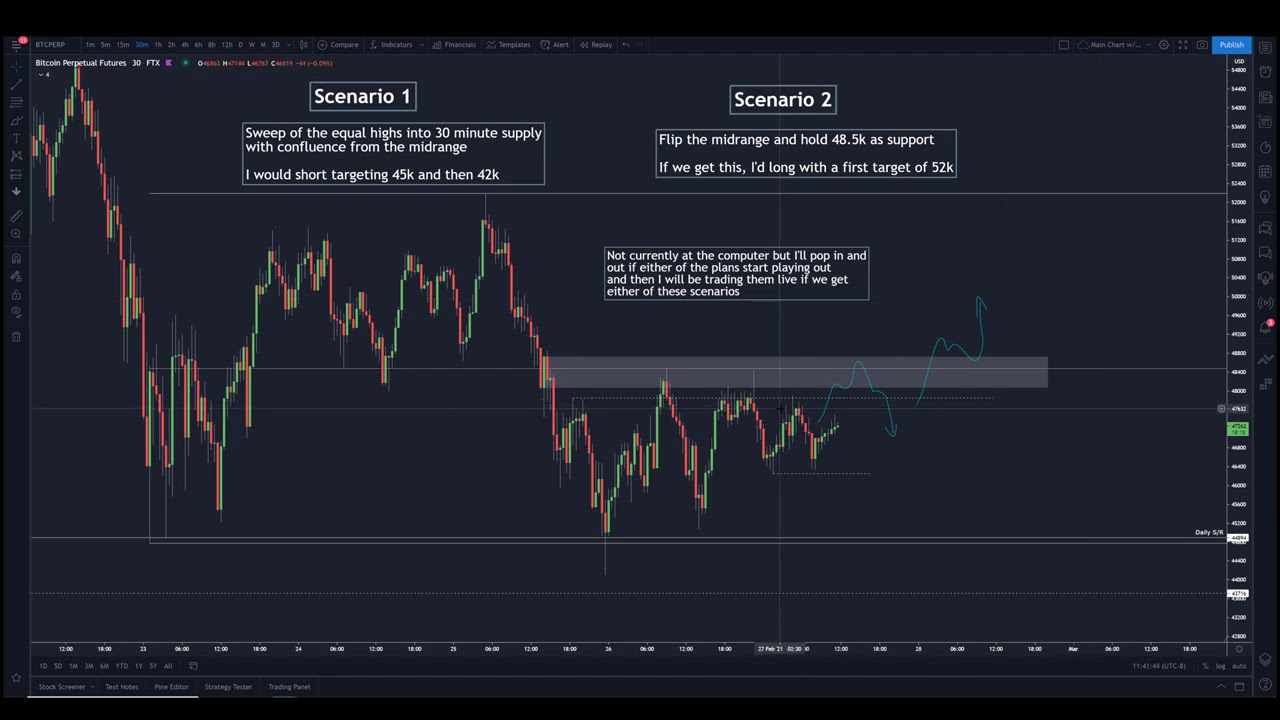
Crypto swing trading sits between patience and action. It is not as fast as day trading. It is not as slow as long-term investing. Instead, it captures medium-term price movements that last days or weeks.
This style attracts beginners because it feels balanced. You do not need to stare at charts every minute. Yet you still get frequent opportunities.
However, the truth is uncomfortable. Most beginners lose money early. Not because the strategy is broken. But because execution is inconsistent, emotional, and poorly structured.
Crypto markets are highly volatile. Prices can swing sharply in hours. That volatility creates opportunity and danger at the same time.
To understand swing trading properly, you need clarity. You need rules, structure, and discipline. Without that, you are gambling in disguise.
This guide breaks everything down in a simple, practical way. You will learn how to approach swing trading like a system, not a guess.
Understanding Crypto Swing Trading in Simple Terms
Swing trading means holding a cryptocurrency for a short to medium period. Typically between 2 days and 3 weeks.
The goal is to capture “swings” in price. These swings occur between support and resistance zones.
According to swing trading principles explained by Investopedia, traders rely on technical analysis to identify entry and exit points rather than long-term fundamentals alone.
In crypto, swing trading often focuses on:
- Trend continuation patterns
- Market corrections
- Breakouts from consolidation zones
- Momentum shifts
Unlike scalping or day trading, you do not exit within hours. Unlike investing, you do not hold for months or years.
You sit in the middle zone. That middle zone is powerful but tricky.
Why Beginners Are Drawn to Swing Trading
Many beginners enter crypto swing trading for emotional and practical reasons.
Here are the most common motivations:
- Less screen time compared to day trading
- Higher profit potential than long-term holding
- Easier to learn than algorithmic strategies
- Works in both bull and bear markets
However, expectations are often unrealistic.
Beginners assume:
- Every trade will be profitable
- Signals are always accurate
- Markets are predictable
This is where problems begin.
Swing trading is not about certainty. It is about probability.
Core Principles You Must Understand First
Before placing any trade, you need to understand foundational principles.
These are not optional:
Trend Is Your Foundation
Always trade in the direction of the trend.
- Uptrend: look for buys
- Downtrend: look for sells or avoid trades
- Sideways: wait or trade cautiously
Liquidity Matters More Than Emotion
Crypto moves where liquidity sits.
Price often reacts at:
- Previous highs and lows
- Support zones
- Resistance zones
- Psychological levels
Risk Comes Before Reward
Professional traders focus on what they can lose, not what they can gain.
If you ignore risk, one bad trade can erase multiple wins.
Essential Tools Every Beginner Needs
Swing trading becomes easier with the right tools.
Here are the most important ones:
- TradingView for chart analysis
- RSI indicator for momentum
- Moving averages for trend direction
- Volume indicators for strength confirmation
- Fibonacci retracement for pullback zones
A beginner does not need 10 indicators. In fact, too many indicators create confusion.
Start simple. Build clarity first.
The Best Indicators for Crypto Swing Trading
Indicators help you interpret market behavior. They do not predict the future.
Moving Averages
Moving averages smooth price action.
- 50-day MA shows medium trend
- 200-day MA shows long trend
When price is above both, the market is generally bullish.
Relative Strength Index RSI
RSI measures momentum.
- Above 70: overbought
- Below 30: oversold
But do not rely on it alone.
Volume
Volume confirms strength.
- Rising price + rising volume = strong move
- Rising price + falling volume = weak move
Risk Management The Most Ignored Skill
Risk management is what separates beginners from consistent traders.
Follow these rules:
- Never risk more than 1 to 2 percent per trade
- Always set stop-loss before entering
- Avoid revenge trading
- Do not overtrade
Even professional traders lose trades frequently.
The goal is not to win every trade. The goal is to stay profitable over time.
Step-by-Step Crypto Swing Trading Strategy
This is a simple structured approach beginners can follow.
Step 1 Identify Market Trend
Check daily chart first.
- Higher highs and higher lows = uptrend
- Lower highs and lower lows = downtrend
Step 2 Mark Key Levels
Draw support and resistance zones.
These are decision areas.
Step 3 Wait for Pullback
Do not chase price.
Wait for retracement into:
- Support in uptrend
- Resistance in downtrend
Step 4 Confirm with Indicators
Use:
- RSI for momentum
- Volume for confirmation
Step 5 Enter Trade
Enter when price shows rejection or breakout confirmation.
Step 6 Set Stop Loss and Take Profit
Always define both before entry.
Swing Trading vs Day Trading vs Holding
Understanding differences helps clarify expectations.
| Style | Timeframe | Stress Level | Profit Frequency | Skill Requirement |
|---|---|---|---|---|
| Swing Trading | Days to weeks | Medium | Moderate | Medium |
| Day Trading | Minutes to hours | High | High | High |
| Long-term Holding | Months to years | Low | Low | Low |
Swing trading is often the most balanced option for beginners.
Common Mistakes Beginners Make
Most losses come from avoidable errors.
Here are the biggest ones:
- Entering trades without a plan
- Ignoring stop-loss levels
- Overusing indicators
- Trading against trend
- Emotional decision making
- Chasing pumps
One of the best beginner resources on structured trading psychology is this guide on crypto swing trading strategies from Binance Academy.
It reinforces the importance of discipline and structured entry rules.
Emotional Control in Swing Trading
Emotion is the silent killer of trading accounts.
Two emotions dominate:
- Fear
- Greed
Fear makes you exit too early.
Greed makes you hold too long.
To control emotions:
- Stick to your plan
- Avoid checking charts constantly
- Accept losses as normal
- Focus on long-term consistency
Professional traders think in probabilities, not emotions.
Building a Swing Trading Routine
Consistency comes from routine.
A simple structure:
Daily Routine
- Check market trend
- Scan key coins
- Mark levels
- Set alerts
Weekly Routine
- Review past trades
- Adjust strategy
- Identify strong setups
Trading Journal
Track:
- Entry price
- Exit price
- Reason for trade
- Outcome
This improves performance over time.
Advanced Swing Trading Insights for Growth
Once you understand basics, you can refine your strategy.
Multi-Timeframe Analysis
Always confirm signals across timeframes:
- 4H chart for entry
- Daily chart for trend
- Weekly chart for context
Confluence Strategy
Combine multiple signals:
- Support zone
- RSI oversold
- Volume spike
More confluence increases probability.
Breakout Confirmation
Do not enter during fake breakouts.
Wait for:
- Retest of breakout level
- Strong volume confirmation
Real Example of a Swing Trade Setup
Imagine Bitcoin is in an uptrend.
Step 1
Price pulls back to support zone.
Step 2
RSI drops near 40.
Step 3
Volume decreases during pullback.
Step 4
Bullish candle forms at support.
Step 5
You enter trade.
Step 6
Stop loss placed below support.
Step 7
Take profit set at previous resistance.
This structured approach removes emotional guesswork.
Why Most Beginners Fail at Swing Trading
Failure is not random.
It usually comes from:
- Lack of education
- No risk control
- Emotional trading
- Unrealistic expectations
- Inconsistent strategy
Crypto is unforgiving to undisciplined traders.
But it rewards structured thinking.
The Psychology of Winning Traders
Winning traders think differently.
They:
- Accept losses calmly
- Focus on execution, not outcomes
- Stick to rules
- Avoid overconfidence
They treat trading like a business, not entertainment.
Useful Habits for Long-Term Success
Here are habits that improve results:
- Review every trade
- Limit daily trades
- Avoid news-driven panic trading
- Stay updated but not overwhelmed
- Keep strategies simple
Simplicity often beats complexity.
Final Thoughts on Crypto Swing Trading for Beginners
Crypto swing trading is powerful but misunderstood.
It is not a shortcut to quick wealth. It is a structured approach to capturing market movements with discipline.
If you focus on:
- Trend direction
- Risk management
- Emotional control
- Consistent strategy
You significantly improve your chances of success.
The real edge is not indicators or signals. It is behavior.
Master your behavior, and the charts become clearer.
Frequently Asked Questions
What is the best timeframe for crypto swing trading
Most traders use 4-hour and daily charts. These provide balance between noise and clarity.
How much money do I need to start swing trading crypto
You can start with any amount. However, focus on learning, not profits.
Is swing trading crypto profitable for beginners
It can be profitable with discipline. Most beginners fail due to emotional trading.
What is the safest strategy for beginners
Trend-following with strict stop-loss is the safest starting point.
Can I combine swing trading with long-term investing
Yes. Many traders hold long-term portfolios while swing trading smaller positions.
Conclusion
Crypto swing trading is not complicated, but it is demanding.
It rewards patience, discipline, and structured thinking.
If you avoid emotional decisions and focus on consistent execution, you move closer to long-term profitability.
The market does not reward prediction. It rewards preparation.